Who is behind Hands of Hope?
Anfang 2024 habe ich meinen Rucksack gepackt und bin alleine in die Welt Richtung Osten gereist.
Über Indien, Vietnam, Thailand & Indonesien habe ich meinen Weg in das wunderschöne Laos gefunden.
Ich war direkt verliebt - die unberührte Natur & die Herzlichkeit der Menschen haben von der ersten Sekunde etwas in mir ausgelöst.
Allerdings gibt es auch eine Schattenseite. Laos ist leider von hoher Armut betroffen.
Laos zählt zu den 44 Ländern der Welt, die von den Vereinten Nationen als “am wenigsten entwickelt”
bezeichnet werden (auch vierte-Welt-Länder genannt).
Laos ist das meist-bombardierte Land der Welt (mehr Infos dazu findest Du hier).
Vor Ort mitzuerleben, wie Menschen in Armut leben, doch trotzdem so viel Lebensfreude ausstrahlen, hat mich sehr bewegt.
Genau daraus entstand mein Wunsch, dieses Land in irgendeiner Form unterstützen zu wollen.
I visited many places, spoke to countless people, and ultimately developed the idea for Hands of Hope, which allows me to bring handmade, traditional products from Laos to our Western world and thus bring money to Laos.
Laos is heavily dependent on tourism—especially on the sale of these very products.
I would like to open another door for the people of Laos so that they can sell their work outside the country.
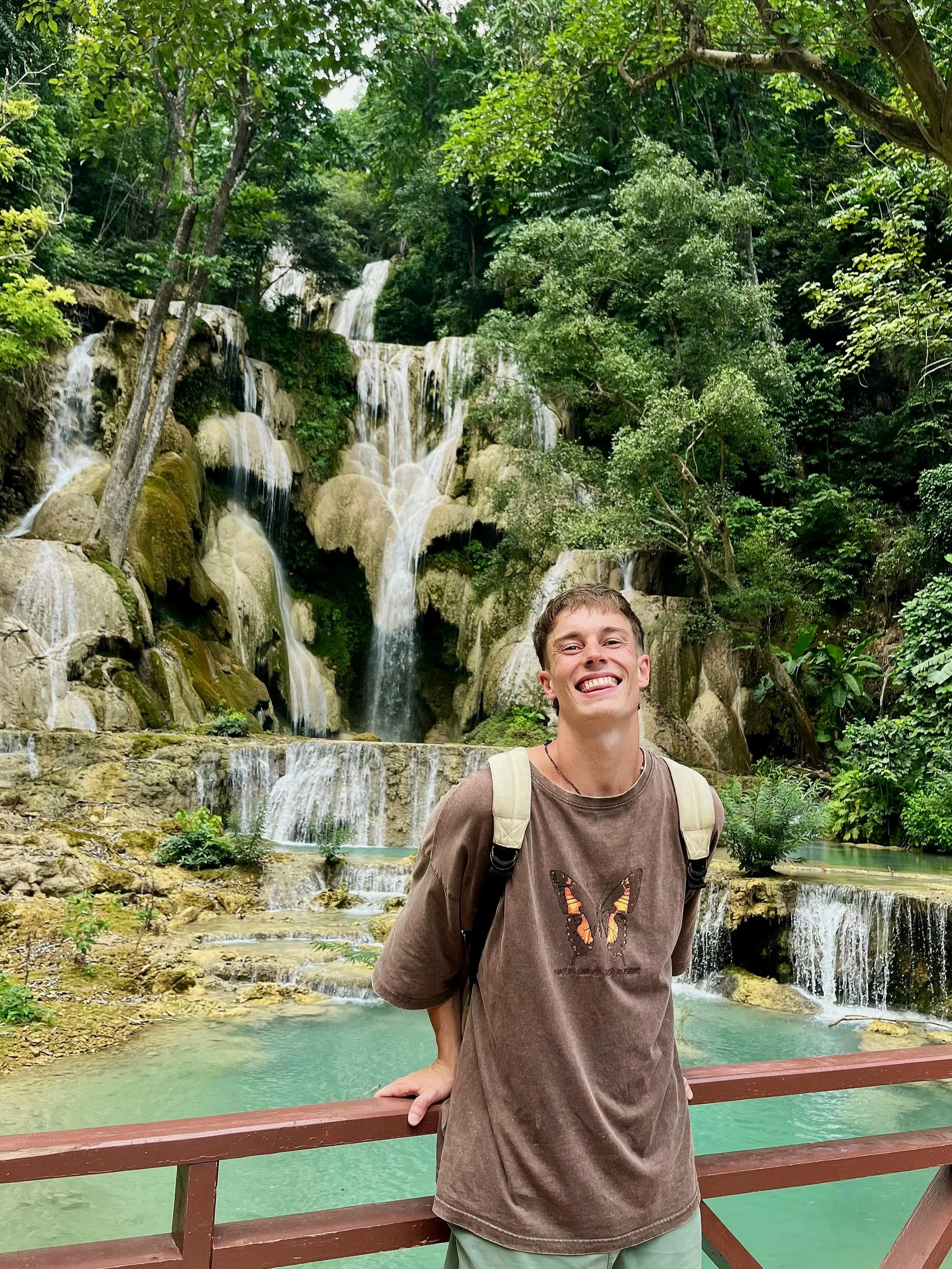
Hi, I'm Felix, founder and currently the only employee of Hands of Hope.
Partners, friends, producers
The production rooms are both a place of learning and a workplace.
Here, textiles such as scarves, small and large bags, and beautiful pendants are created on traditional looms.
For me, the cooperation with the Centre is more than a partnership—it is part of Hands of Hope's identity.
Every purchase not only supports fairly produced handicrafts, but also a project that enables education and self-determination.
For me, the products from the Center represent strength, opportunity, and hope.
In the gallery — Hands of Hope, you can gather many more impressions from the center.
I spent a lot of time there and clearly enjoyed it.
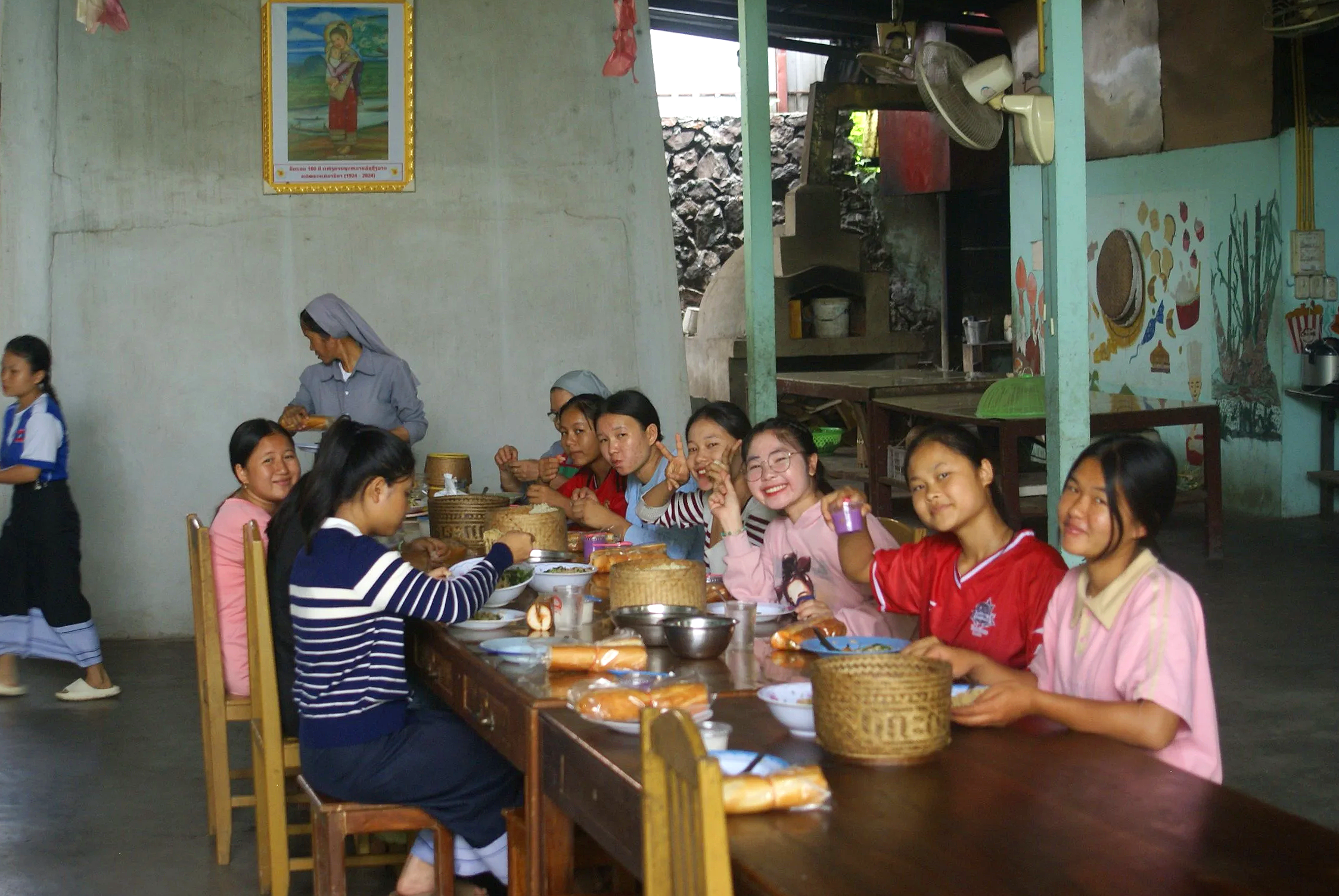
Deaf & Mute Community Center in Luang Prabang
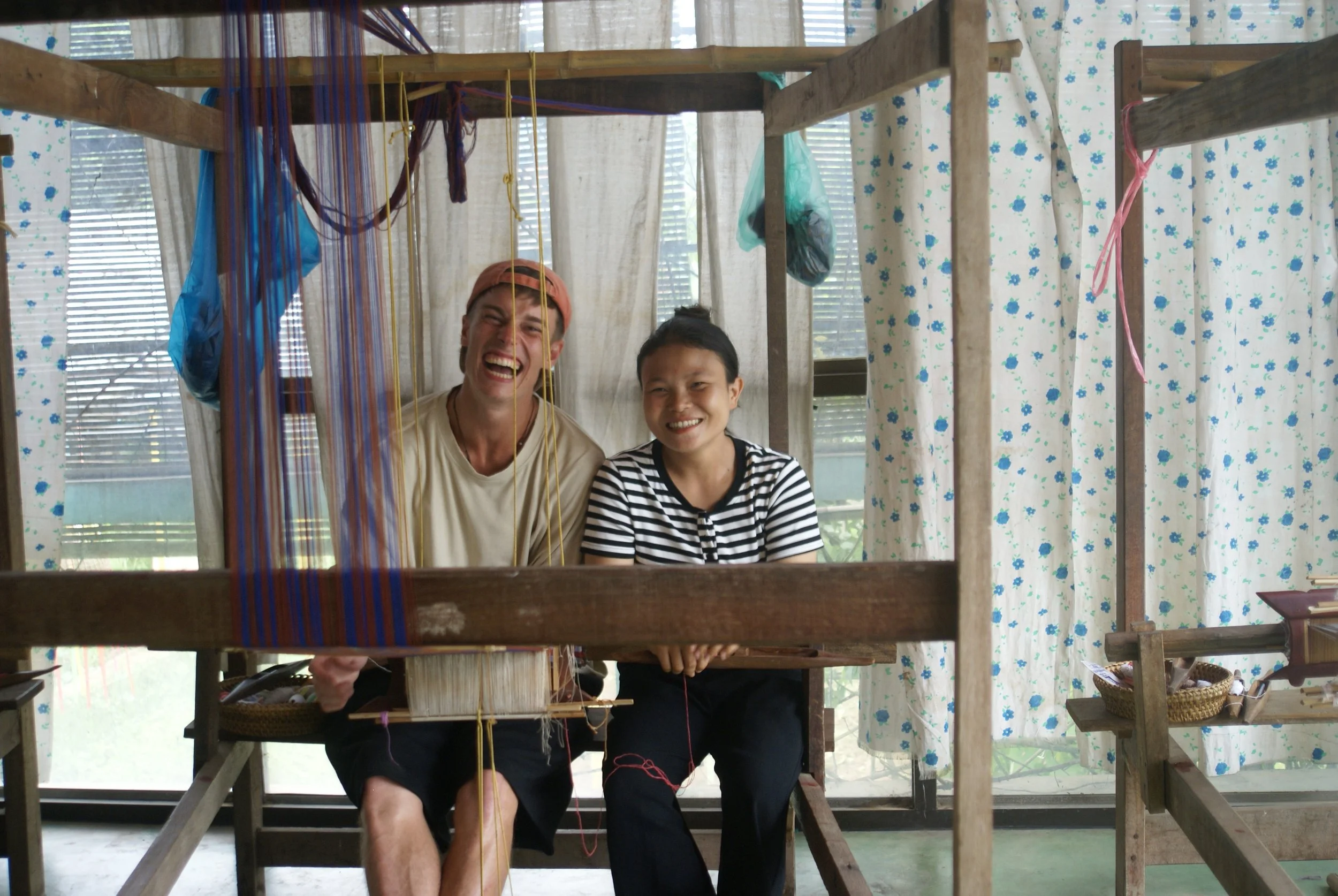
The Deaf & Mute Community Center in Luang Prabang is my main partner and will probably always remain so.
The center was founded in 2006 and grew out of a very simple but powerful idea:
to give children and young people with hearing or speech impairments a place where they can learn, live, and develop.
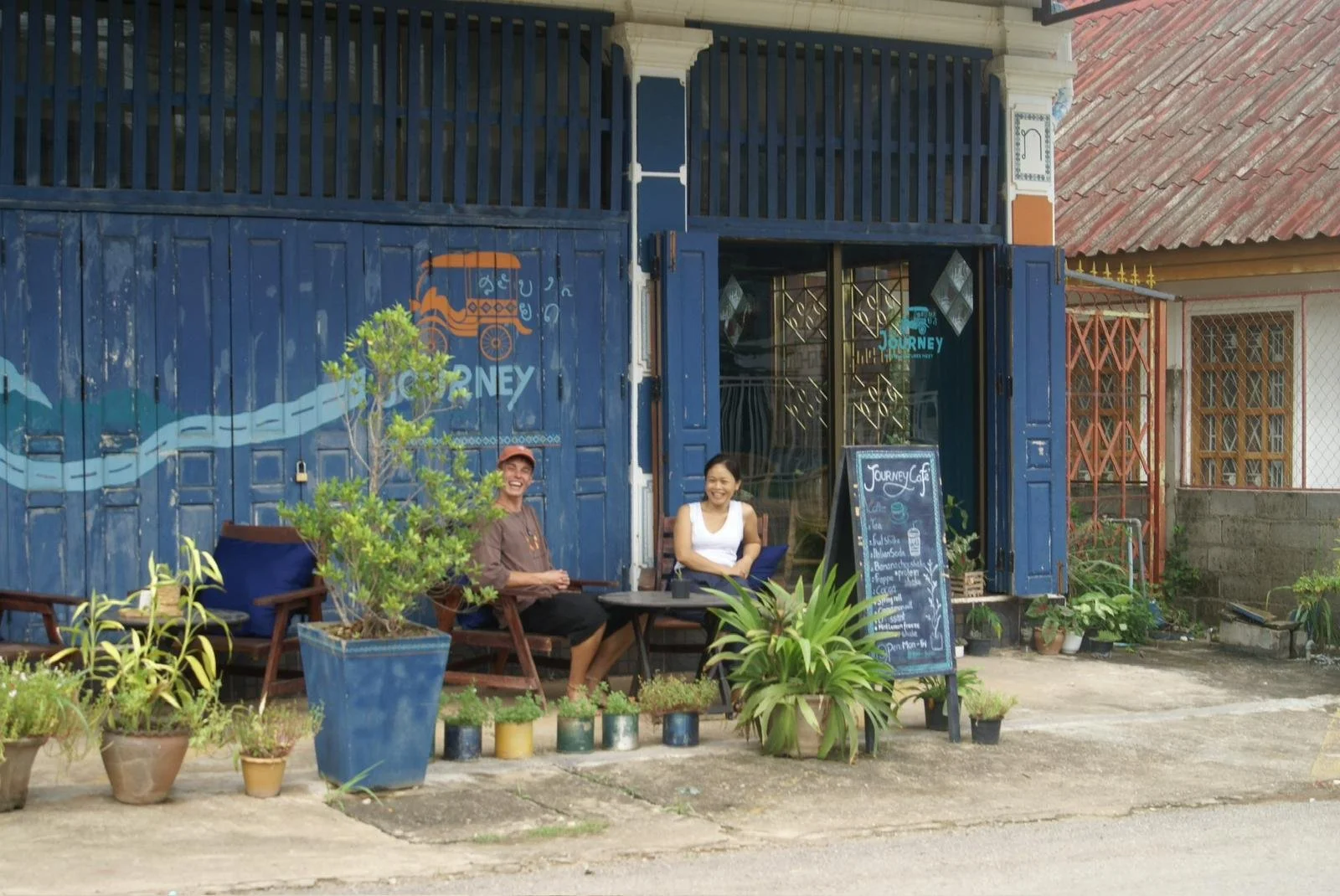
Meine weitere Partnerin ist Got.
Got is from Laos, is a young mother, and works at the Journey Café in Luang Prabang,
, where I first met her.
Right from the start, I was impressed by her warm, calm manner
– and later also by her craftsmanship.
At home, Got lovingly handcrafts various products:
including beautiful, colorful table coasters, fabric baskets, cases
and beautiful bags dyed with natural indigo.
I purchase these special pieces directly from her
– each one a small sign of her creativity and her way of creating a future and stability for her family
.
Working with Got means a lot to me because it highlights the importance of local craftsmanship in Laos while also producing these beautiful, authentic products.
In many parts of Laos, families are often under great economic pressure; support for children with disabilities is rare.
Many families do not have sufficient financial resources, so the burden on the family can be extreme—both emotionally and economically.
Cultural or religious beliefs can also lead to disabilities being interpreted as "misfortune" or "punishment."
Unfortunately, this influences how families view and treat the child.
Despite these challenges, many families lovingly care for children with disabilities.
Unfortunately, however, there are also families who neglect or reject these children.
For these reasons, organizations such as the Mute & Deaf Center in Luang Prabang are so important.
The center offers accommodation, care, basic education, and also vocational training such as weaving and tailoring textile products
– skills that preserve tradition and open up concrete opportunities for the future.